Tooling and mold development
Mold design and CNC-machined tooling built to the agreed design. Tooling is where a reviewed concept becomes a manufacturable, repeatable product.
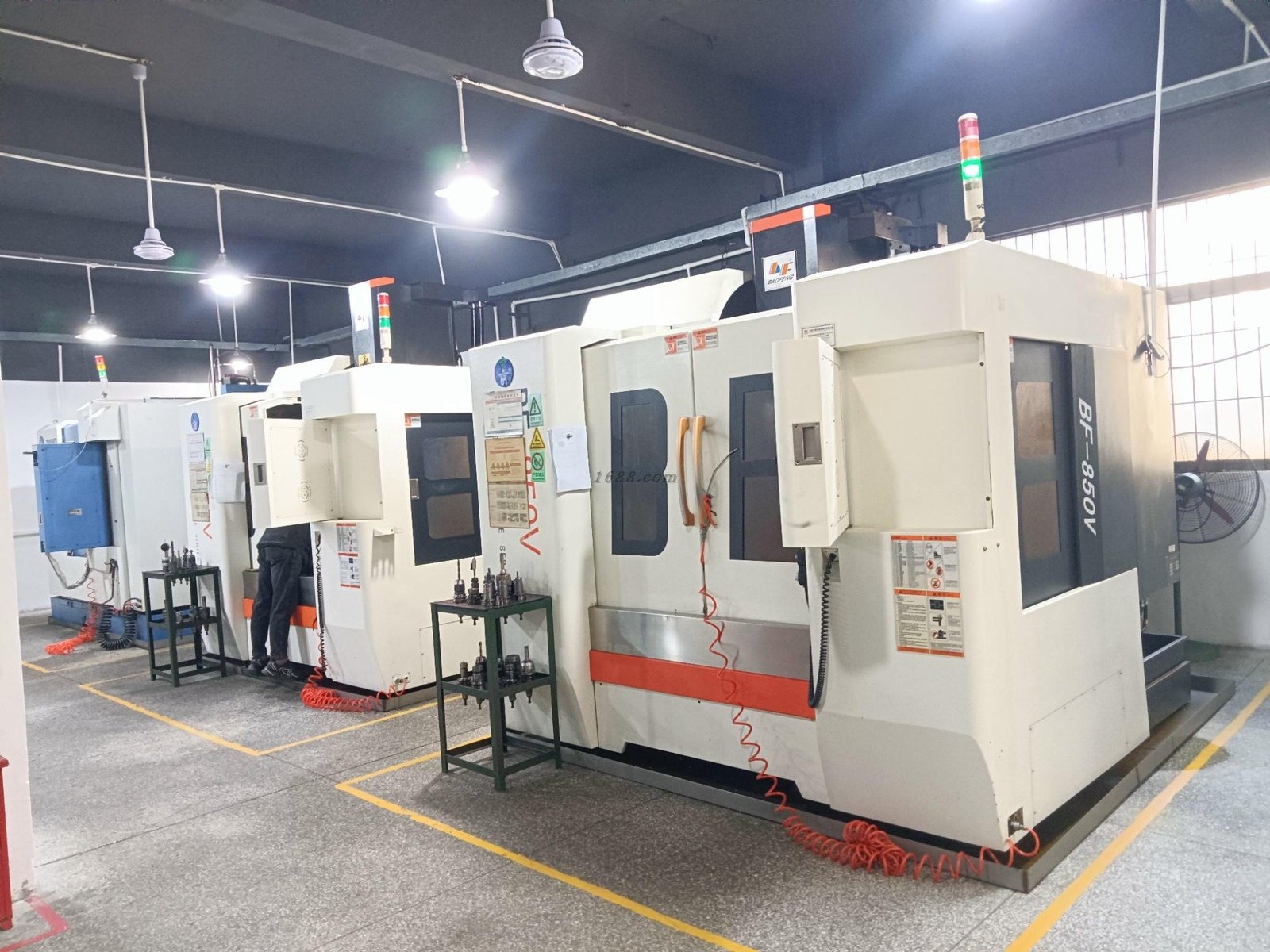
What tooling development covers
When it is needed
New Product Geometry
When the required product shape does not exist as a standard molded item.
Custom-Fit Components
When the silicone part must fit an existing product, housing or interface.
Brand-Specific Products
When shape, logo, color or surface details are unique to a brand or program.
Overmolded Structures
When silicone must be integrated with plastic, metal or another component.
Functional Product Features
When dimensions, grip, sealing, flexibility or other product functions must be confirmed.
Repeat OEM / ODM Programs
When an approved sample and tooling are required as the reference for repeat production.
Project inputs
The available project information is reviewed before tooling to confirm product geometry, material, mold structure and sampling requirements.
2D Drawing
Sketches or 2D drawings with key dimensions and sections.
3D / CAD File
CAD files for precise geometry and mold structure review.
Physical Sample
An existing part used as the dimensional and functional reference.
Existing Product
The product the silicone part must fit.
Reference Product
A reference item that shows the intended result.
Product Dimensions
Key measurements used to scope the tooling approach.
Functional Requirement
Function defined per use: sealing, grip, protection or contact.
Material / Hardness Requirement
Material and hardness expectations reviewed before tooling.
Brand / Artwork Requirement
Logos, colors and artwork reviewed for mold integration.
Target Market
Market context reviewed for material and finish requirements.
Pre-tooling review
Reviewing these details before tooling helps reduce avoidable mold revisions and sample changes.
Product Geometry
Geometry reviewed for moldability and function.
Dimensions & Tolerance
Dimensions and agreed tolerances confirmed before tooling.
Wall Thickness
Wall sections planned for filling, strength and feel.
Parting Line
Parting line placement agreed before mold design.
Draft & Demolding
Draft angles and demolding reviewed.
Undercuts
Undercuts reviewed for release or side-action needs.
Logo / Surface Detail
Logos and surface details planned into the mold.
Material & Hardness
Material and hardness reviewed for the application.
Tooling development
Tooling Structure Review
Confirm cavity layout, parting line, insert requirements and mold approach.
Material / Process Confirmation
Confirm silicone type, molding method and relevant material requirements.
Mold Design
Prepare mold structure based on approved product geometry.
Tool Manufacturing
Produce tooling according to the confirmed design.
Tool Assembly & Review
Inspect the completed mold before trial production.
First Trial Preparation
Prepare tooling, material and project requirements for first sampling.
First samples
The first sample is used to identify whether the product structure, molding result and project requirements are ready for approval or revision.
Material Preparation
Material prepared per the confirmed specification.
Trial Molding
First parts molded from the new tool.
Demolding
Parts removed and handled per the agreed method.
Trimming / Finishing
Flash trimmed per the agreed criteria.
Dimension Check
Dimensions checked against the drawing.
Visual Review
Visual review for surface and detail quality.
Function / Fit Check
Function and fit checked against requirements.
Color / Surface Review
Color and surface reviewed against references.
Review & revision
If adjustments are required, the sample feedback should be confirmed before the next tooling or sampling step.
Dimensions
Checked against the drawing and agreed tolerances.
Fit
Fit against the mating product or interface.
Function
Function checked against the agreed requirement.
Hardness
Hardness confirmed against the specification.
Color
Color reviewed against confirmed references.
Surface Finish
Surface finish reviewed for look and feel.
Logo / Detail Clarity
Logos and details reviewed for legibility.
Assembly Compatibility
Assembly with other components checked.
Approval to production
Typical flow: Sample Review → Required Revisions → Final Sample → Customer Approval → Production Specification Confirmation → Mass Production Preparation. The approved sample and confirmed specifications become the reference for production and repeat OEM/ODM orders.
Sample Review
The first sample is reviewed across the agreed criteria.
Required Revisions
Necessary adjustments are confirmed and applied.
Final Sample
A final sample reflects the confirmed changes.
Customer Approval
The sample is approved as the production reference.
Production Specification Confirmation
Specifications are confirmed for production.
Mass Production Preparation
Tooling, material and process are prepared for production.
Color & branding
Color, surface and branding details should be confirmed during sampling before production approval.
Pantone Color
Color matched against confirmed Pantone references.
Surface Texture
Molded textures reviewed on samples.
Matte / Gloss Finish
Finish reviewed for look and feel.
Embossed Logo
Raised logo details checked for clarity.
Debossed Logo
Recessed logo details checked for clarity.
Printed Detail where suitable
Printed decoration reviewed per surface.
Multi-Color Design where applicable
Multi-color molding planned and confirmed.
Tooling by project type
Tooling approaches adapted to each project type.
Custom Molded Silicone Products
Tooling for custom molded product programs.
LSR Injection Molded Parts
Tooling for LSR injection molded components.
Silicone + Plastic Overmolding
Overmolding tooling with substrate positioning.
Silicone + Metal Overmolding
Insert tooling with retention and shut-off design.
Branded / Character Products
Tooling for character detail and brand features.
Technical Silicone Components
Tooling for technical and functional parts.
Quality focus
Checks across tooling and sampling keep the approved sample reliable as the production reference — see the Quality Control capability.
Part Geometry
Geometry confirmed before mold design.
Dimensions
Dimensions checked against the drawing.
Mold Release
Draft and release confirmed for clean demolding.
Flash
Flash allowance agreed and trimmed per criteria.
Parting Line
Parting line placement agreed before tooling.
Surface Finish
Surface quality reviewed on samples.
Color
Color matched to confirmed references.
Detail Definition
Molded details reproduced consistently.
Fit / Assembly
Fit and assembly checked on samples.
Sample-to-Production Consistency
Production runs against the approved sample.
Frequently asked questions
Can you start from a drawing or physical sample?
Yes. Projects can start from 2D drawings, 3D / CAD files, physical samples or product concepts; the available information is reviewed before tooling.
Do I need a finished CAD file before tooling?
No. Drawings, samples or dimensioned references can be enough for the first review; CAD data helps with precise mold structure development.
What information is needed before mold development?
Product geometry, dimensions and tolerances, wall thickness, parting and draft considerations, material and hardness, and logo or surface details.
Can hardness, color and surface finish be confirmed during sampling?
Yes. Hardness, color and surface finish are confirmed on samples before production approval.
Can tooling be revised if the first sample needs adjustment?
Yes. Required adjustments are confirmed based on sample feedback before the next tooling or sampling step.
Do you support tooling for silicone + plastic or metal overmolding?
Yes. Overmolding tooling includes insert positioning, shut-off design and retention features reviewed at the mold structure stage.
How is the final approved sample used for production?
The approved sample and confirmed specifications become the reference for production and repeat OEM/ODM orders.
What information is needed for quotation?
Drawings, samples or dimensioned references, application and fit requirements, material and hardness expectations, quantities and packaging expectations.
Where to go next
Ready to discuss tooling?
Send your drawing and quantity. We review tooling requirements and design, then reply with the next steps.