From an idea to a manufacturable silicone product
ESKY works with product teams from early manufacturing review through tooling, samples, validation and repeat production. You can start before you have a production-ready drawing.
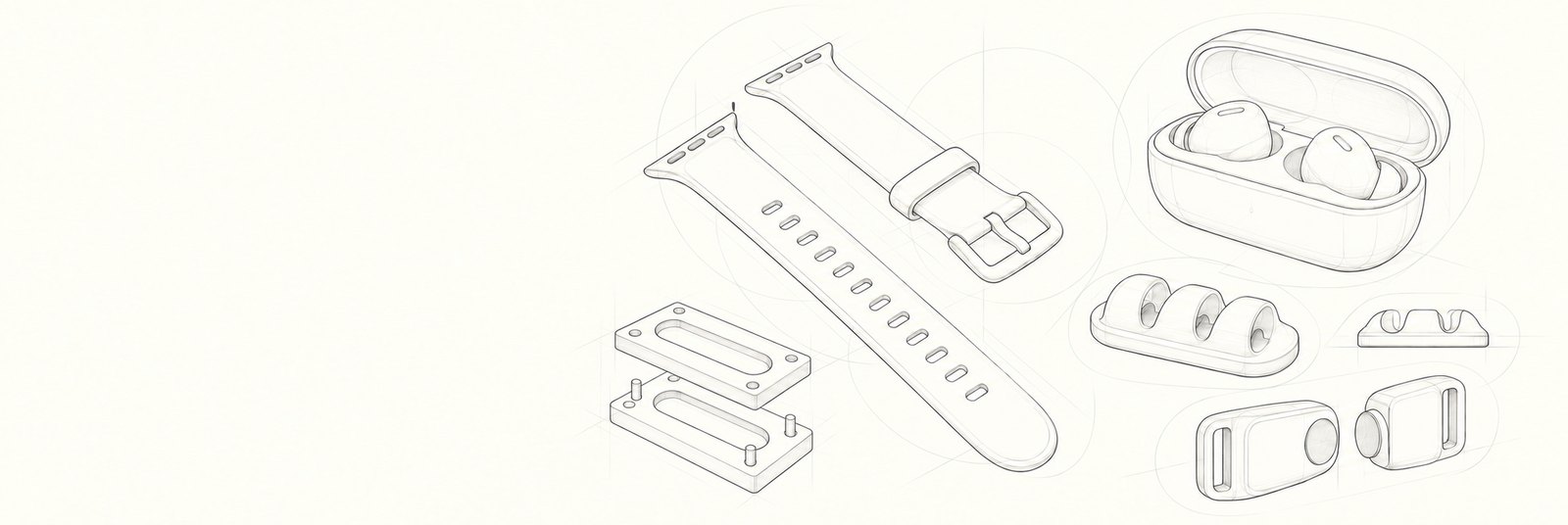
Product development can start before the drawing is final.
Bring the project in early and the engineering happens while the design is still flexible — reviewing feasibility, material and process before the geometry is fixed, so tooling, material and assembly are designed together rather than corrected later.
This is the bridge between what you want to develop and how it is manufactured.
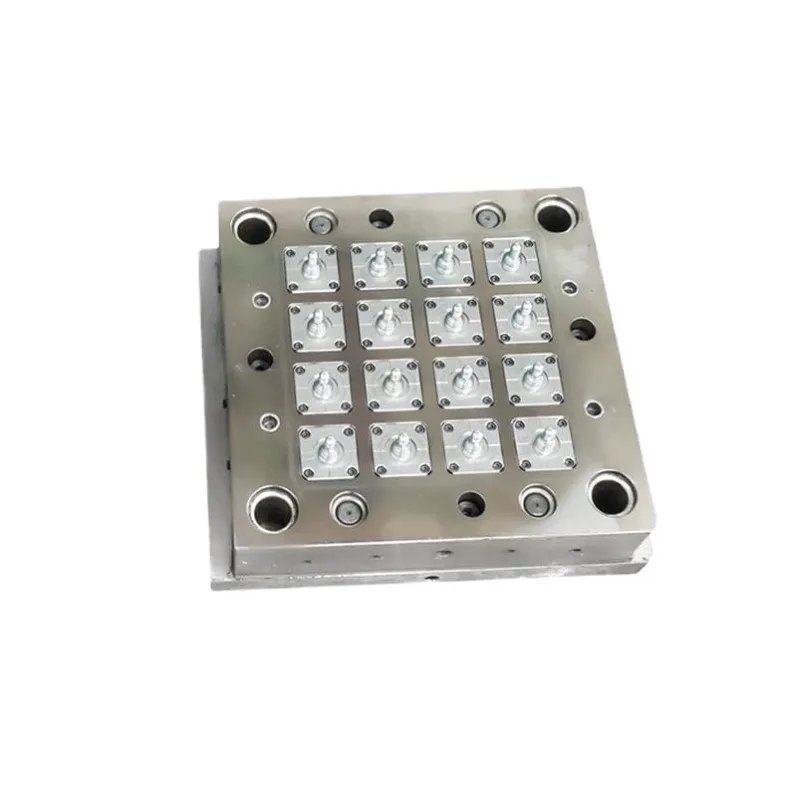
Each stage has a clear review point
Projects move forward stage by stage, so you decide when to commit to the next level of investment.
Concept / CAD review
Send a concept, sketch, CAD file or reference sample. Feasibility, application and manufacturing requirements are reviewed before anything is committed.
DFM & material selection
Geometry, material, hardness, process route and risk points are reviewed and confirmed with you before tooling.
Structure review
Wall thickness, parting lines, undercuts, bond areas and shut-offs are examined as a manufacturable product, not a drawing.
Tooling
Mold design and CNC-machined tooling are developed to the agreed design and manufacturing requirements.
Sampling & validation
Molded samples are produced and evaluated against dimensional, functional and assembly requirements.
Mass production
Approved parts are manufactured with process controls maintained across repeat batches.
Assembly, packaging & QC
Products are inspected, assembled and packaged to agreed requirements before shipment.
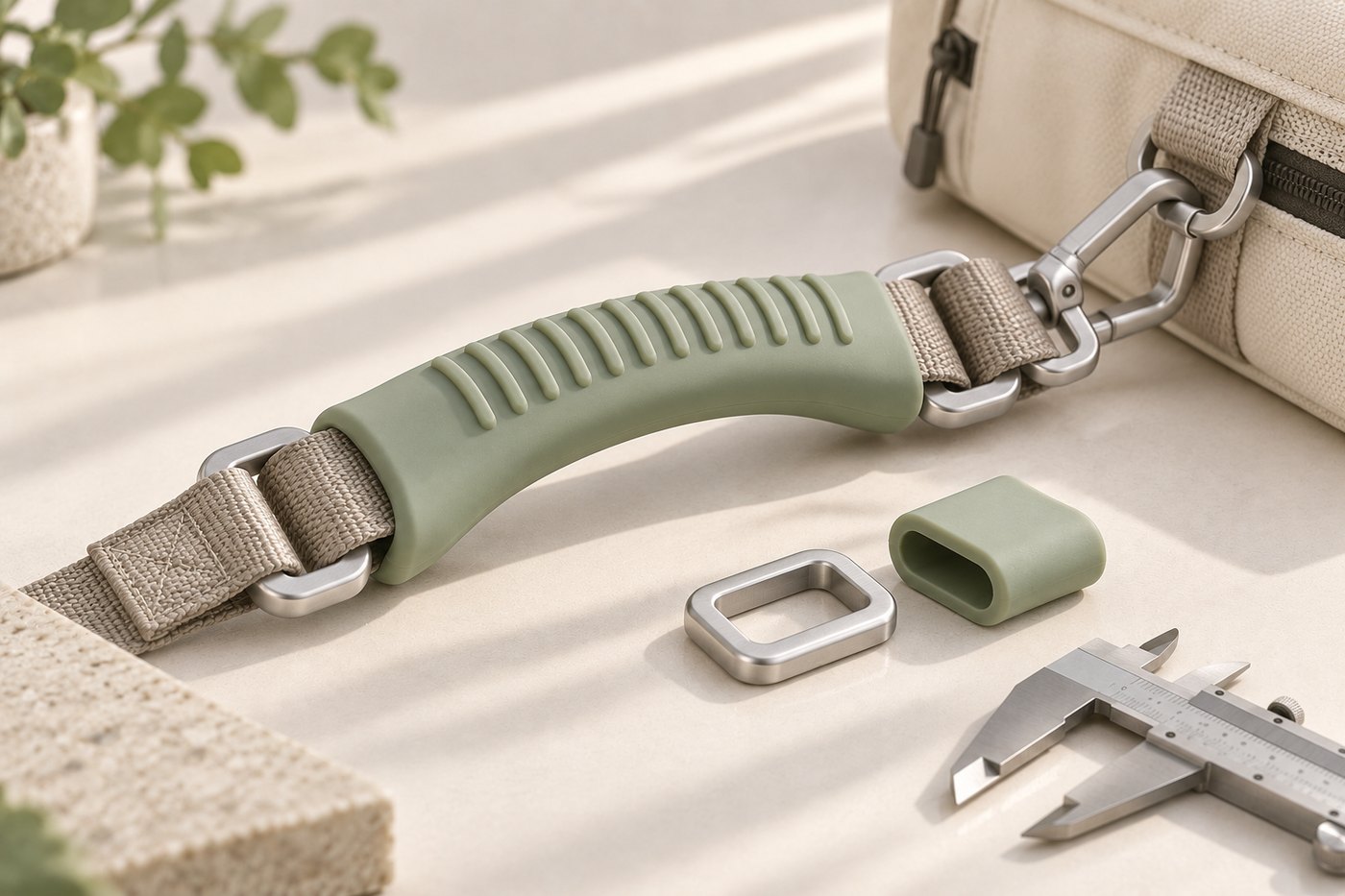
A complete CAD package is welcome, but not required
Start with whatever you have. Missing information is identified in the first review rather than treated as a blocker.
- A concept brief or written description
- A hand sketch or 2D drawing
- A CAD file (STEP, IGES, STL and others)
- A physical reference sample or existing product
- Target use, quantity and market requirements
Where product teams get stuck
Most development projects start from one of these situations.
Current sample fails
Send the part and the failure mode — geometry, material and process are reviewed together.
Existing supplier cannot handle multi-material structures
Share the substrate and silicone geometry — bonding and manufacturing route are reviewed.
You need a new mold
Share your drawing and quantities — tooling requirements and design are reviewed.
You need silicone + plastic, metal or textile
Share the substrate and silicone geometry — bonding and assembly are reviewed.
You need faster prototypes
Share your target and timeline — we review the fastest feasible route.
You need better consistency
Share the current variation — process controls and inspection criteria are reviewed.
You need cost optimisation
Share the current structure — material and process alternatives are reviewed.
What the design review actually covers
Before any steel is cut, the design-for-manufacture review covers the points that most often cause rework.
Parting line and draft angles
Wall thickness and undercuts
Bond area and shut-off design for overmolding
Material and hardness selection
Insert positioning and metal surface protection
Venting, flow and molding pressure
Recurring engineering topics in custom silicone projects
Each links to the capability or product page where we cover it in more detail.
Waterproof connector overmolding
Improving mold shut-offs, insert positioning and process control to keep silicone off electrical contact areas.
LSR overmolding for electronics
Managing support, positioning, flow and molding pressure around flexible electronic circuits.
Custom silicone keypad design
Balancing geometry, hardness and molding consistency for better tactile performance.
Frequently asked questions
Can you review incomplete designs?
Yes. Early reviews catch the biggest risks before the design is final. We can work from a concept sketch or partial CAD.
Can you recommend hardness?
Yes. Hardness is selected at DFM based on function, feel and assembly requirements, then confirmed through sampling.
Can you help before tooling?
Yes. DFM feedback and material recommendations happen before any tooling commitment.
How many mold trials are typical?
It depends on the part. Simple parts may validate at T1–T2; complex multi-material parts take more iterations. Each trial is reviewed with you.
Can the mold be modified?
Yes. Molds can be adjusted after trials or for design changes. Each change is reviewed for tooling impact first.
Who owns the tooling?
Custom tooling is project-specific. Tool ownership, maintenance, storage and transfer terms are confirmed in the quotation or tooling agreement.
Can you run a pilot batch?
Yes. Pilot batches validate the process before mass production.
Can I develop a custom silicone product without a CAD file?
Yes. You can start from a concept description, a hand sketch, a photo of a reference product or a physical sample - a full CAD file is helpful but not required. During the first review we identify what information is still missing (dimensions, materials, hardness or mating parts) and confirm everything needed for tooling and sampling before production.
What information is needed for an accurate custom silicone quote?
The quotation is prepared from your drawings and requirements: part geometry and dimensions, material and hardness, process route (compression or LSR), estimated quantities, color and appearance expectations, and any assembly, packaging or certificate requirements. Anything missing is confirmed during DFM before tooling.
What drives the MOQ for a custom molded product, and can production be phased?
MOQ is driven by the part size, material, mold cavity count and process route - it is confirmed per project rather than as a blanket number. Production can be phased: pilot batches validate the process first, then repeat production follows after your sample approval.
Why do suppliers quote very different prices for the same silicone drawing?
Quotes differ because suppliers make different assumptions from the same drawing: mold route and cavity count, material grade, cycle time, secondary operations and inspection levels. Ask each supplier to state these assumptions in writing - then the tooling and unit prices can be compared like-for-like, and anything missing is confirmed during DFM before tooling.
What approval milestones take a silicone product from concept to production?
Yes - the path has clear approval milestones: 1) DFM review confirmed with you; 2) mold design approved before tooling starts; 3) first samples approved for dimensional and appearance checks; 4) validation run approved against your requirements; 5) mass production released only after your written sign-off on the final samples.
Send your concept or drawing
Share your drawing, reference sample or product idea. Tell us about the application, material requirements and estimated quantity so we can review the next steps.