Custom silicone molding
Compression and transfer molding of custom silicone parts. Geometry, hardness, colour, surface finish and molded details are developed around your product requirements.
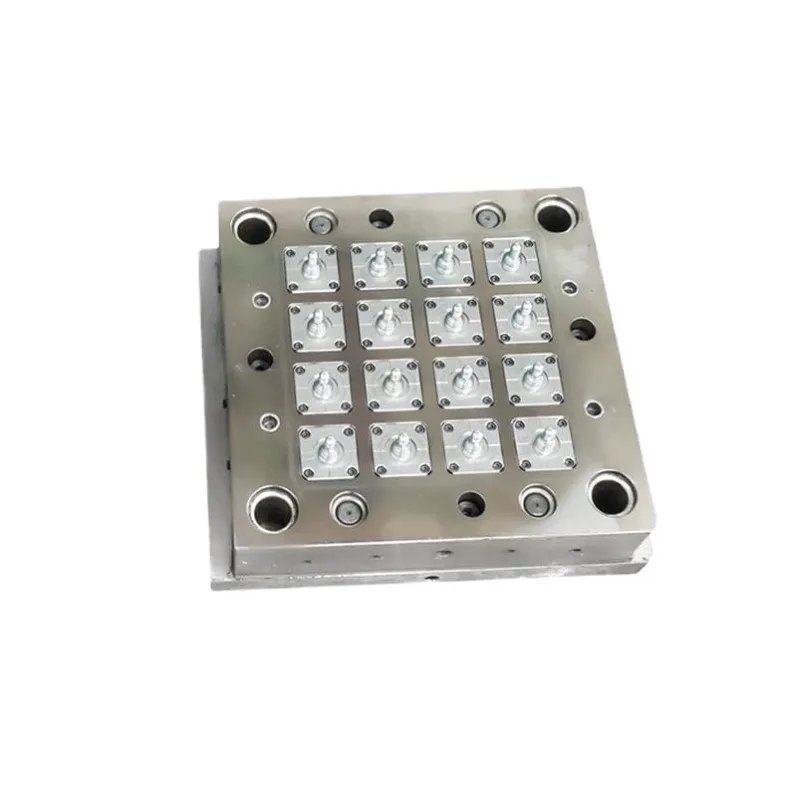
What this capability produces
Is it a good fit
Typical situations where custom molding is the right approach.
Non-Standard Shapes
You need a custom shape that does not exist as a standard product.
Fit To Existing Products
The silicone part must fit an existing product or interface.
Custom Hardness, Color Or Finish
Hardness, color or surface finish must be customized.
Molded Branding & Features
The design includes molded logos, textures or functional features.
Repeat OEM / ODM Production
You need repeat OEM/ODM production based on an approved sample.
What molding supports
Capability directions for molded silicone products and components.
Finished Silicone Products
Complete molded silicone products developed around specific shapes, functions and brand requirements.
Custom Components
Silicone components developed around product dimensions, fit and functional requirements.
Protective Parts
Covers, boots, pads and protective molded structures for consumer and technical applications.
Soft-Touch Products
Products requiring grip, flexibility, comfort or controlled surface feel.
Detailed Molded Features
Logos, textures, ribs, channels and other molded details incorporated into the part geometry.
Repeat OEM Production
Approved molded products produced against confirmed samples and specifications for repeat programs.
Project inputs
Custom molding projects may begin from a drawing, CAD file, physical sample, existing product or product concept. The available project information is reviewed before tooling to identify geometry, material, hardness, tolerance and manufacturing requirements.
2D Drawing
Sketches or 2D drawings with key dimensions and sections.
3D / CAD File
CAD files for precise geometry and interface development.
Physical Sample
An existing part used as the dimensional and functional reference.
Existing Product
The product the silicone part must fit or protect.
Product Dimensions
Key measurements can be enough to scope the molding approach.
Reference Image
Photos or renderings that show the intended shape and features.
Functional Requirement
Sealing, grip, protection or contact function defined per use.
Target Market
Market and use context reviewed for material and finish requirements.
Material & hardness
Silicone material and hardness are selected according to product function, flexibility, surface feel, environment and applicable market requirements.
Silicone Grade
Grade reviewed for the product function and environment.
Shore Hardness
Hardness selected and confirmed on samples.
Flexibility
Flexibility balanced against structure and function.
Tear Resistance
Tear behavior reviewed for the intended use.
Color Requirement
Color matched to confirmed references.
Surface Feel
Surface feel tuned for grip, contact and appearance.
Food-Contact Requirement where applicable
Reviewed for applicable products and markets.
Skin-Contact Requirement where applicable
Material selection reviewed for skin-contact products.
Design for molding
These details are reviewed before mold development to reduce avoidable tooling revisions and production issues.
Part Geometry
Geometry reviewed for moldability and function.
Wall Thickness
Wall sections planned for filling, strength and feel.
Draft & Release
Draft angles planned for clean demolding.
Parting Line
Parting line placement agreed before tooling.
Flash Control
Flash allowance and trimming reviewed per surface.
Undercuts
Undercuts reviewed for release or side-action needs.
Logo / Surface Detail
Logos and surface details planned into the geometry.
Dimensional Tolerance
Tolerances agreed before mold making.
Color & surface
Color and surface requirements should be confirmed during sampling before production approval.
Pantone Color Matching
Color matched against confirmed Pantone references.
Matte Surface
Matte finish reviewed for look and feel.
Gloss Surface
Gloss finish reviewed for look and feel.
Molded Texture
Molded textures planned into the part geometry.
Embossed Logo
Raised logo details molded into the surface.
Debossed Logo
Recessed logo details molded into the surface.
Printed Details where suitable
Printed decoration reviewed per surface and design.
Multi-Color Molding where applicable
Multi-color molding planned around color zones.
Tooling & sampling
Each step is confirmed per project. Dedicated tooling and sampling support is described on the Tooling & Sampling capability page.
Product / Drawing Review
The drawing, sample or concept is reviewed for scope.
Mold Structure Review
Mold structure and parting direction are reviewed.
Tooling Development
Tooling is built around the confirmed design.
First Sample
First samples are molded from the new tool.
Dimension / Function Check
Samples are checked for dimensions and function.
Color & Surface Confirmation
Color and surface finish are confirmed on samples.
Customer Approval
The approved sample becomes the production reference.
Production
Production follows the approved sample and confirmed project specifications.
Material Preparation
Material is prepared and colored per the confirmed specification.
Molding
Parts are molded per the agreed process.
Demolding
Parts are removed and handled per the agreed method.
Trimming / Finishing
Flash is trimmed and surfaces finished per the agreed criteria.
Inspection
Parts are checked against the approved sample.
Assembly if Required
Multi-part products assembled per project scope.
Packaging
Parts packed per the agreed specification.
Quality focus
Checks are aligned with the approved sample and agreed criteria — see the Quality Control capability.
Dimensions
Dimensions checked against the approved drawing.
Silicone Hardness
Hardness matches the approved specification.
Color Consistency
Color matches the approved reference across runs.
Surface Finish
Surface quality consistent across batches.
Flash
Flash kept within the agreed allowance.
Parting Line
Parting line finished per agreed surfaces.
Logo / Detail Clarity
Logos and molded details remain legible.
Product Function
Function checked against the agreed requirement.
Packaging Condition
Products protected through packing and shipment.
Repeat Production Consistency
Repeat orders produced against the approved sample.
Engineering notes from production programmes
- Complex 3D geometry: filling, demolding and dimensional stability are reviewed for reliable bulk production.
Frequently asked questions
Can you develop a silicone product from a drawing?
Yes. Projects can start from 2D drawings, 3D / CAD files or confirmed dimensions; geometry and moldability are reviewed before tooling.
Can I send a physical sample instead of a CAD file?
Yes. A physical sample is a preferred starting point; dimensions and interfaces are confirmed from the sample.
How do you select silicone hardness?
Hardness is selected according to product function, flexibility, surface feel and environment, then confirmed on samples.
Can Pantone colors be matched?
Yes. Color matching is based on confirmed Pantone references and checked during sampling.
Can logos and surface textures be molded into the product?
Yes. Logos, textures, ribs and channels can be built into the mold geometry and confirmed on first samples.
Do you support multi-color silicone molding?
Yes. Multi-color molding is reviewed with the design, color separation and structure before tooling.
Can molded silicone parts be assembled with plastic or metal components?
Yes. Silicone can be overmolded onto or assembled with plastic and metal components; interfaces are reviewed at the design stage.
What information is needed for quotation?
Drawings, CAD files or samples, application and fit requirements, material and hardness targets, quantities and packaging expectations.
Where to go next
Have a part for custom molding?
Send the drawing or sample with the function, hardness and quantity. We review the process route and reply with the next steps.