Most silicone defects are not simply "silicone problems."
They are usually the visible result of something earlier in the project: design, tooling, material choice, substrate condition, molding parameters, or verification.
Below are eight recurring quality risks we see across custom silicone and multi-material projects.
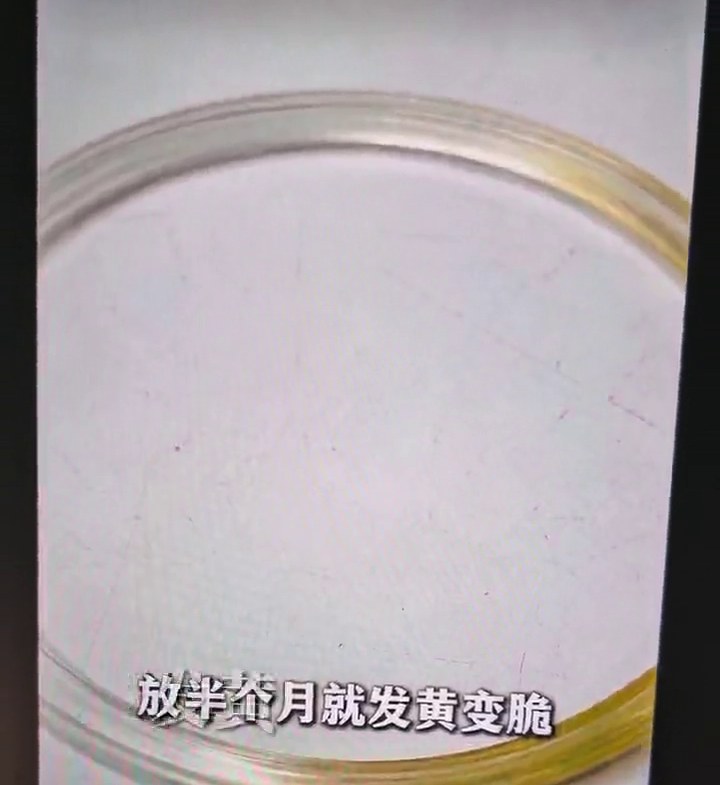
1. Yellowing or Brittleness
Transparent silicone can look good during sampling and still change later if the material or process is not suitable for the application. For clear products, appearance stability is part of the specification.
Buyer question: Will the clear part still look acceptable after storage, heat exposure and normal use?
2. Delamination
Silicone may begin separating from metal or plastic when the interface has not been developed correctly. Potential contributors include substrate condition, material compatibility, bonding method, molding conditions and insert positioning.
Buyer question: How will the interface be verified before production approval?
3. Flash and Poor Edge Finish
A functional part can still be rejected by a consumer brand if the edges look cheap or inconsistent.
Flash may be linked to tooling fit, parting line, pressure, material behavior and process stability. For premium products, edge quality is a brand-quality issue.
4. Bubbles or Incomplete Filling
Complex shapes can create difficult flow paths, trapped air and local filling problems. This becomes more likely around deep corners, narrow features, irregular geometry and complex inserts.
5. Plastic Whitening or Cracking
Sometimes the silicone looks fine while the rigid substrate underneath is being overstressed. Plastic + silicone projects must consider plastic grade, molded-in stress, heat, pressure, geometry and material compatibility.
6. Tactile Feel Changing After Repeated Use
A silicone button may feel crisp during initial assembly and become softer after repeated actuation. In one waterproof-button project, the issue was traced to the silicone flexing structure rather than simply the switch underneath.
That is why tactile parts should be evaluated as mechanical systems, not just soft covers.
7. Dimensional Instability
Changes in temperature, pressure and cycle conditions can change a molded part even when the mold and material remain the same. The important question is not whether one good sample can be produced. It is whether the process can reproduce it.
8. Local Curing Problems
Local tackiness, incomplete cure or abnormal surface condition may be linked to contamination, incompatible materials, substrate condition, process environment and curing conditions.
Sorting defective parts does not remove the upstream cause.
How Buyers Should Use This Checklist
Before approving mass production, ask the supplier:
· What are the critical failure modes for this design? · Which areas are most difficult to mold? · What will be checked on the first samples? · What changes between sample and bulk production? · How will bonding, dimensions, appearance or tactile behavior be verified?
The Upstream Question
The useful question is not only "Is this part defective?" It is "What upstream condition created the defect?" That is the difference between sorting bad parts and preventing them.
Related Pages & Case Studies
· Quality & Testing - /quality · Case study: Keeping Clear Silicone Looking Premium Over Time - /case-study-clear-silicone-premium-appearance · Case study: Making Silicone + Metal Feel Like One Premium Product - /case-study-premium-silicone-metal-integration · Case study: Turning a Complex 3D Design Into Reliable Bulk Production - /case-study-complex-3d-silicone-mass-production
Have a Silicone Part With a Recurring Quality Problem?
Send us photos, drawings, failed samples or the current material / process information. We can help review the likely design, tooling or molding risk before the next production run.
Review a Quality Issue - /contact-us#project-inquiry